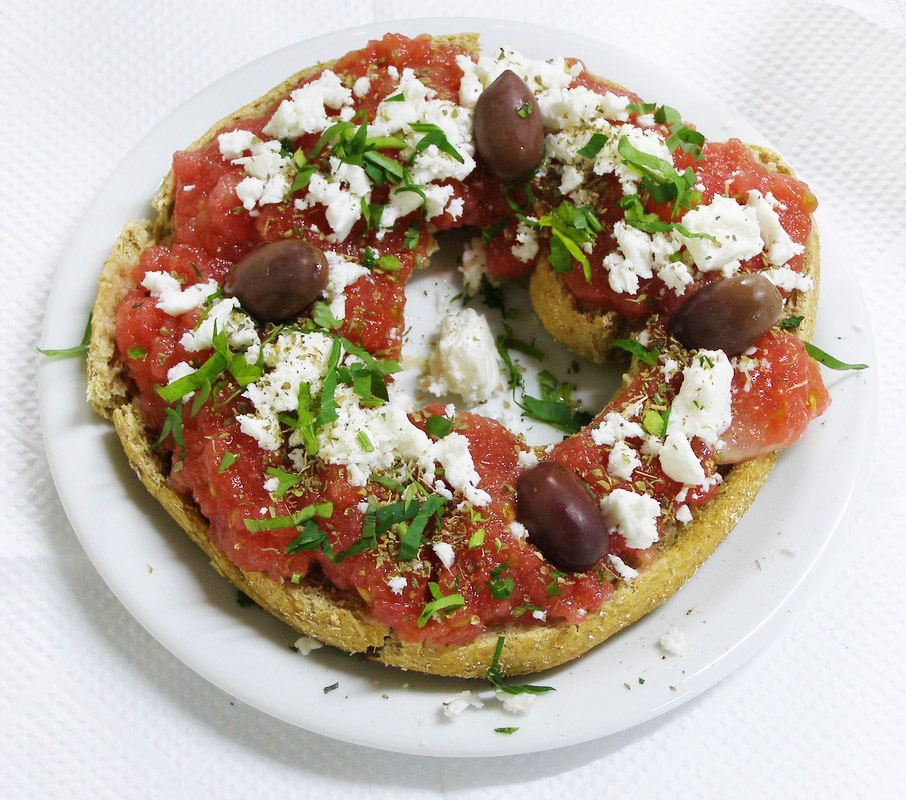
Dakos Salad: Why This Simple Greek Dish Is a Culinary Masterpiece
Picture a warm, sun-drenched afternoon on the Greek island of Crete. The gentle breeze carries the scent of wild herbs, and the turquoise Aegean Sea sparkles in the distance. On your plate, a vibrant symphony of colors awaits: the deep red of plump, ripe tomatoes, the golden hue of extra virgin olive oil, the pristine white of crumbled cheese, and the earthy tones of rustic rusks. This isn't just a salad; it's an experience, a journey to the heart of Greek summer. This is Dakos Salad, an elegantly simple yet profoundly satisfying dish that captures the essence of Cretan culinary heritage and has rightfully earned its reputation as a culinary masterpiece.
Often referred to as "Cretan bruschetta" or "Greek salad with rusks," Dakos Salad is far more than just a combination of ingredients. It's a testament to the power of quality, local produce, transformed into something extraordinary with minimal fuss. Its origins lie deep in Cretan tradition, where resourcefulness and the bounty of the land have always dictated the menu. For those seeking an authentic taste of Greece, diving into the world of dakos is an absolute must.
The Heart of Dakos: Understanding the Iconic Cretan Rusk
At the very foundation of any authentic Dakos Salad lies the distinctive Cretan rusk. This isn't your average crouton; it's a staple with a rich history, born from the need to preserve bread for long periods, particularly for sailors and farmers. These rusks are incredibly dry and firm, making them impossible to eat without rehydration – which is precisely where the magic of dakos begins.
- The "Dakos" Rusk Itself: In Crete, the word "dakos" literally refers to thick slices of a particular rusk, often made from barley. It's no coincidence that the salad bears its name! These substantial pieces provide a robust base, soaking up all the delicious juices without disintegrating too quickly.
- Barley Rusks: Beyond the thick slices, round barley rusks are also traditionally used. These can be smaller, offering a slightly different texture, almost like dense, savory biscuits. The barley content lends a unique, earthy flavor that distinguishes them from regular bread.
- The Art of Soaking: Given their dryness, rusks require careful rehydration. The traditional method involves briefly dipping them in water, just enough to soften them slightly without making them soggy. However, the true beauty of Dakos Salad unfolds as the rusks slowly absorb the sweet, acidic juices from the tomatoes, the richness of the olive oil, and sometimes a splash of red wine vinegar. This patient absorption process transforms the hard rusk into a tender, flavorful foundation, making every bite a delightful textural contrast.
While traditional barley rusks are paramount for an authentic experience, don't despair if they're hard to find. Resourcefulness is key in the kitchen! While not traditional, you can substitute with other hearty, crusty breads like sourdough, chunky whole wheat, or even toasted bagels. However, for a truly immersive experience, seeking out authentic Cretan rusks is highly recommended. You might even find the large, flat ones that many consider the gold standard for Authentic Cretan Dakos Salad: Your Guide to a Greek Summer Taste.
Building the Masterpiece: Essential Ingredients and Their Role
The deceptive simplicity of Dakos Salad lies in its short ingredient list. Yet, each component plays a crucial role, and the quality of each element directly impacts the final dish. This is where the Mediterranean ethos of "less is more" truly shines:
- Sweet, Ripe Tomatoes: These are non-negotiable. Diced into small pieces, they form the juicy "puree" that the rusks so eagerly absorb. The natural sweetness and acidity of perfectly ripe tomatoes are the backbone of the salad's flavor profile, providing a fresh, vibrant burst with every mouthful.
- Authentic Greek Feta Cheese (or Xynomyzithra): Crumbled generously over the tomatoes, feta adds a tangy, salty counterpoint that is distinctly Greek. For those seeking an even more authentic Cretan touch, look for xynomyzithra. This local Cretan cheese boasts a soft, creamy texture and a wonderfully complex taste profile – both sour and subtly sweet, often described as a "cheese paradise." It elevates the Dakos Salad to another level of regional authenticity and flavor.
- Liquid Gold: Extra Virgin Olive Oil: This isn't just an dressing; it's a core ingredient. A generous drizzle of high-quality extra virgin olive oil, preferably from Crete itself, imparts a rich fruitiness and silkiness, binding all the flavors together and further aiding the rusk's transformation. It’s a healthy fat and a flavor enhancer, quintessential to the Mediterranean diet.
- Kalamata Olives: Their distinctive brine and meaty texture offer bursts of salty, savory flavor and a beautiful visual contrast. Whole or halved, they are a traditional and beloved addition.
- Dried Greek Oregano: A final sprinkle of dried Greek oregano provides an aromatic finish, tying together all the vibrant flavors with its earthy, slightly peppery notes. The quality of the oregano makes a noticeable difference, adding depth and authenticity.
- Optional Enhancements: While the traditional version sticks to these core ingredients, regional variations sometimes include finely sliced red onion for a gentle bite, capers for an extra salty tang, or fresh basil leaves for an aromatic lift, especially in versions that lean closer to a bruschetta style.
The beauty is in the balance. When made with high-quality products – sweet tomatoes, authentic cheese, rich olive oil, and robust rusks – even the simplest The Rustic Secret: Crafting the Perfect Traditional Dakos Salad can impress the most discerning palate.
Crafting Your Own Dakos Experience: Tips and Techniques
Making Dakos Salad is incredibly straightforward, but a few insider tips can elevate your homemade version from good to unforgettable:
- Prepare the Rusks First: Gently moisten your rusks. You can briefly dip them in a shallow bowl of water (just a second or two per side) or simply place them on your serving plate and immediately top them with the tomatoes. The key is to soften them without making them mushy. The longer they sit with the other ingredients, the softer and more flavorful they will become.
- Dice Tomatoes Properly: Aim for small, even dice. This allows them to release their juices efficiently and creates a more cohesive "puree" for the rusks to absorb. Some even lightly crush a portion of the tomatoes to expedite the juice release.
- Layer with Care: Start with the rehydrated rusk on your plate. Pile the diced tomatoes generously on top. Crumble your chosen cheese (feta or xynomyzithra) over the tomatoes. Scatter kalamata olives, and then finish with a liberal drizzle of extra virgin olive oil and a sprinkle of dried oregano.
- Allow to Mingle: While you can eat Dakos Salad immediately, allowing it to sit for 10-15 minutes (or even longer if you prefer softer rusks) makes a significant difference. This "mingling" time allows the rusks to fully soak up the tomato juices and olive oil, creating a richer, more integrated flavor profile and a wonderfully soft texture, especially around the edges.
- Personalize and Experiment: Don't be afraid to add a personal touch. A splash of red wine vinegar can add another layer of tang. Freshly ground black pepper is always welcome. For a slightly different twist, consider adding thinly sliced cucumbers for extra crunch, or even a few capers for an additional salty pop.
This healthy, filling salad is perfect as a light lunch, a satisfying appetizer, or even a refreshing light dinner on a warm evening. Its versatility and ease of preparation make it a go-to dish for embracing the Mediterranean lifestyle.
Beyond the Plate: The Cultural Significance of Dakos Salad
Dakos Salad is more than just a recipe; it's a culinary emblem of Crete and a staple across Greece. It embodies the values of fresh, local, and seasonal eating that define the renowned Mediterranean diet. Its widespread popularity, extending far beyond its Cretan origins, speaks volumes about its universal appeal. It's a reminder that true culinary excellence doesn't always require elaborate techniques or exotic ingredients, but rather a deep respect for the bounty of nature and the wisdom of tradition.
Every bite of Dakos Salad transports you. It conjures images of sun-drenched tavernas, the warmth of Greek hospitality, and the simple joy of good food shared with loved ones. It’s a dish that evokes memories, creates new ones, and leaves an indelible mark on your palate. Its elegant simplicity is its strength, proving that sometimes, the most basic combinations, when executed with quality ingredients and a touch of love, can indeed be a true culinary masterpiece.
Bringing the Greek Summer to Your Table
Whether you're reminiscing about a past Greek vacation or dreaming of a future one, making Dakos Salad at home is an effortless way to infuse your kitchen with the vibrant flavors and laid-back spirit of the Mediterranean. It's a dish that proves that healthy eating can be incredibly delicious and deeply satisfying. So, gather your finest ingredients, embrace the simplicity, and prepare to embark on a culinary journey to the sun-kissed shores of Crete. Your taste buds will thank you for the authentic, refreshing, and utterly delightful experience of Dakos Salad.
